
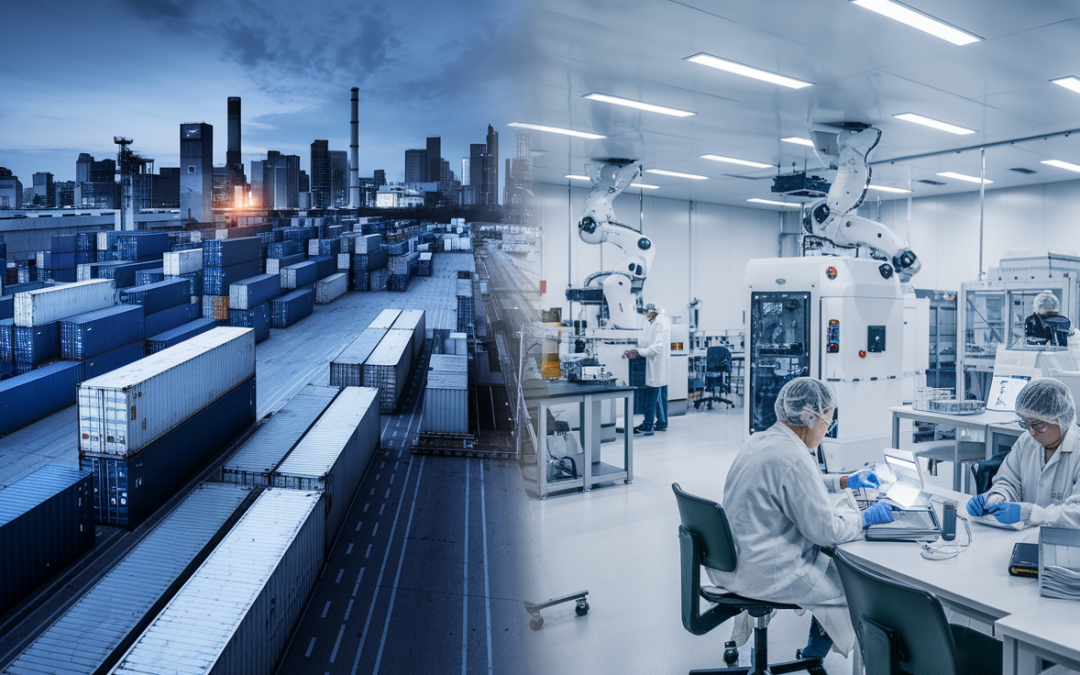
The Strategic Shift Toward Local Production
For decades, Europe’s pharmaceutical companies have reached across oceans for their Active Pharmaceutical Ingredients (APIs). These essential compounds—the very heart of medications—have primarily come from Asian manufacturers, with cost savings driving this global approach. But times are changing, and recent world events have exposed the cracks in this strategy.
European industry leaders are now asking tough questions: What happens when supply chains break? Can we afford to be so dependent on distant producers? A growing chorus of voices—from boardrooms to government halls—now agrees that bringing API production back home isn’t just smart; it’s necessary for a stronger, more reliable pharmaceutical future.
Chemical distributors like ChemComplex aren’t just watching this shift unfold—they’re actively helping make it happen. By connecting API manufacturers with pharmaceutical companies and emphasizing local partnerships, these distributors are building bridges across the industry while ensuring everyone plays by the rules.
Europe’s API Vulnerability: A Closer Look
The numbers tell a troubling story: between 60-80% of Europe’s APIs come from overseas, with China and India leading the pack. This dependency has been laid bare during recent global shocks. When COVID-19 hit and geopolitical tensions flared, the consequences were immediate and severe:
Hospitals waited anxiously for delayed medications. Prices jumped unpredictably from month to month. Pharmacies faced empty shelves where essential medicines should have been.
These painful lessons haven’t gone unnoticed. European decision-makers now recognize they’ve been caught in a precarious position. In response, we’re seeing a surge in investments aimed at rebuilding local manufacturing muscle, fostering innovation, and reclaiming pharmaceutical independence.
Where Our APIs Come From:
| Region | Global API Production Share (%) |
|---|---|
| China | 45 |
| India | 20 |
| Europe | 26 |
| USA | 28 |
Why Europe Is Bringing API Production Home
Several powerful forces are driving this renaissance in European API manufacturing:
A More Resilient Supply Chain
COVID-19 delivered a harsh wake-up call. When global shipping containers sat idle and factories overseas shut down, European healthcare systems felt the pinch. Some essential medications simply weren’t available when patients needed them most.
Bringing API production closer to home offers clear advantages: When your supplier is just down the road instead of across the ocean, you’re less vulnerable to global disruptions. You can respond more quickly when demand surges. You’re not at the mercy of other nations’ export policies or political instability. Perhaps most importantly, you can keep a watchful eye on manufacturing quality from start to finish.
Meeting Europe’s Gold-Standard Regulations
The EU doesn’t mess around when it comes to pharmaceutical safety—and that’s a good thing. Frameworks like the Falsified Medicines Directive and Good Manufacturing Practice standards set a high bar for anyone making or importing medications.
For companies producing APIs within Europe, meeting these standards becomes more straightforward. They’re not navigating multiple regulatory systems or wondering if overseas facilities truly meet European expectations. This alignment simplifies compliance while ensuring medicines remain safe and effective.
Plus, when regulations evolve—as they often do—local producers can adapt more quickly, staying ahead of requirements rather than scrambling to catch up.
Going Green in API Production
Europe has planted its flag firmly in the ground when it comes to environmental protection, and the pharmaceutical industry is no exception. Green chemistry isn’t just a buzzword here—it’s becoming a business imperative.
Local production makes it easier to implement and monitor eco-friendly practices. Companies can reduce their carbon footprint by cutting long-distance shipping. They can implement waste reduction programs more effectively. They can tap into Europe’s growing renewable energy infrastructure.
Some innovative manufacturers are already pioneering solutions like solvent recycling, water conservation systems, and biodegradable packaging—all contributing to a more sustainable pharmaceutical future.
The Roadblocks on Europe’s Path to API Independence
Despite the compelling reasons to bring API production home, several significant hurdles remain:
The Bottom Line Challenge
Let’s face it: making things in Europe isn’t cheap. Higher wages, stricter regulations, and investments in sustainable practices all add up. A European-made API might cost more than its Asian counterpart—sometimes significantly more.
This creates a thorny dilemma for pharmaceutical companies: embrace local sourcing and potentially raise medicine prices, or continue relying on cheaper imports despite the risks. Finding the sweet spot between cost-effectiveness and supply chain security remains a delicate balancing act.
Navigating the Regulatory Maze
Europe’s high standards for pharmaceutical quality are a double-edged sword. While they ensure medicine safety, they also create a complex landscape that new API producers must navigate.
Gaining and maintaining compliance isn’t a one-time effort—it’s an ongoing commitment requiring specialized expertise and regular investments. For smaller companies looking to enter the API space, these regulatory hurdles can seem particularly daunting.
Rebuilding Manufacturing Capacity
After years of outsourcing, Europe faces a sobering reality: many of its pharmaceutical manufacturing facilities need significant upgrades to handle increased API production. Modern API manufacturing requires cutting-edge equipment, specialized facilities, and a skilled workforce—all of which take time and money to develop.
Some regions face steeper challenges than others, creating an uneven landscape for this pharmaceutical renaissance. Countries with existing chemical manufacturing strengths are leaping ahead, while others struggle to build capacity from the ground up.
Technology: The Game-Changer for European API Production
If there’s a silver lining to Europe’s API challenges, it’s timing. This push for local production coincides with a technological revolution that’s transforming manufacturing across industries.
Smart factories embedded with Internet of Things sensors now monitor production conditions in real-time, catching quality issues before they become problems. Artificial intelligence algorithms predict maintenance needs, preventing costly breakdowns and production delays. Advanced robotics handle dangerous substances, improving both safety and precision.
These technologies aren’t just making production more efficient—they’re addressing the very cost concerns that drove API manufacturing overseas in the first place. While labor costs remain higher in Europe, increased automation and improved efficiency help narrow the competitive gap.
Data analytics tools are also revolutionizing inventory management, helping companies anticipate needs rather than reacting to shortages. This proactive approach creates a more stable supply chain less prone to disruption.
Chemical Distributors: The Unsung Heroes of API Independence
In this evolving landscape, chemical distributors like ChemComplex play a vital but often overlooked role. These companies do far more than simply move chemicals from point A to point B.
Think of them as the connective tissue of the pharmaceutical supply chain—they understand the needs of pharmaceutical manufacturers, know the capabilities of API producers, and help create matches that benefit both sides. Their deep knowledge of regulations ensures compliance throughout the process.
The best distributors bring a consultative approach, helping pharmaceutical companies navigate the transition to local sourcing. They maintain stringent quality control systems, ensuring that every API that passes through their hands meets the highest standards.
In many ways, these distributors serve as risk managers for the entire industry—identifying potential supply chain vulnerabilities and developing backup plans before problems arise.
Looking Ahead: Europe’s Pharmaceutical Future
With continued support from EU policies and ongoing technological advances, Europe’s journey toward API independence shows promising signs. Companies that embrace this shift now may gain first-mover advantages while building resilience against future global disruptions.
This isn’t just about making more ingredients locally—it’s about fundamentally rethinking how medicines are produced and distributed across the continent. The benefits extend beyond immediate supply chain security to include:
- Greater control over medicine quality from raw materials to finished products
- Reduced environmental impact through shorter transportation routes and greener production methods
- New job creation in high-skill pharmaceutical manufacturing
- Increased innovation as pharmaceutical companies work more closely with their API suppliers
- Enhanced ability to respond to future health crises with domestically-produced medications
Chemical distributors stand at the center of this transformation, helping to forge new connections between European companies while ensuring compliance every step of the way.
The road to pharmaceutical independence won’t be short or simple, but Europe has taken the first crucial steps. What began as a response to crisis is evolving into a strategic advantage—one that promises a more secure, sustainable, and self-sufficient pharmaceutical future for the entire continent.