
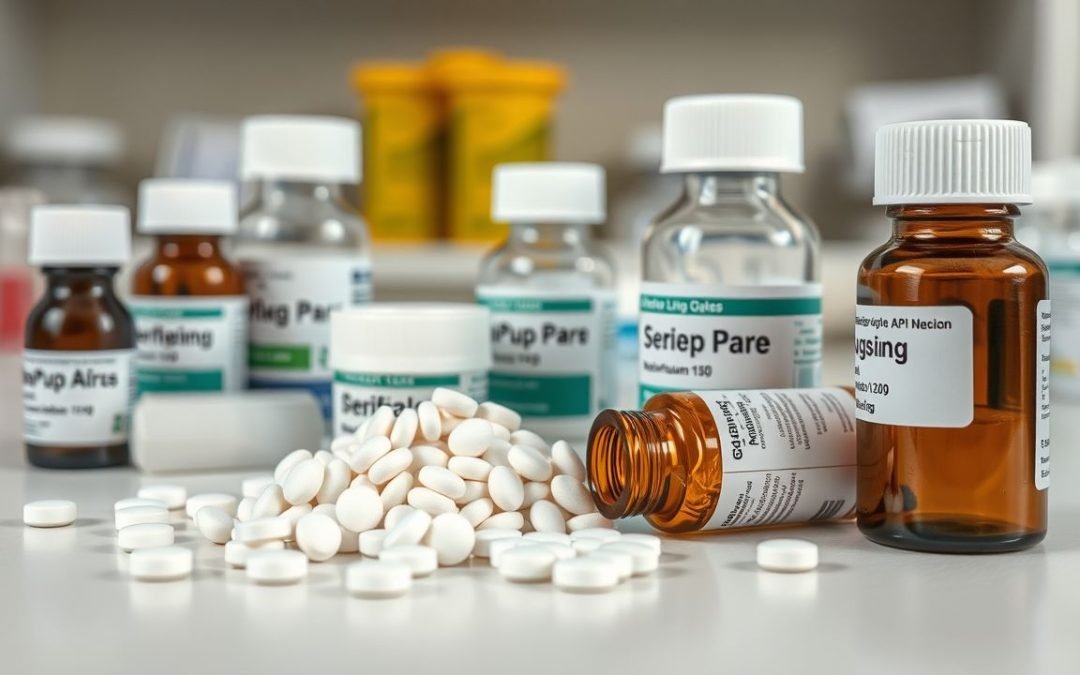
Many pharmaceutical companies face challenges with sourcing generic drug APIs. Supply chain disruptions and quality issues are common problems. We understand these challenges well, having faced them ourselves.
Through careful research, we learned about 40% of drug quality issues start from poor-quality raw materials. In this article, we’ll clearly outline Europe’s role in the global API market.
We’ll also share useful strategies to help you choose reliable suppliers and keep medications safe for patients. Read on to learn how you can better manage your sourcing risks.
Understanding Generic Drug APIs
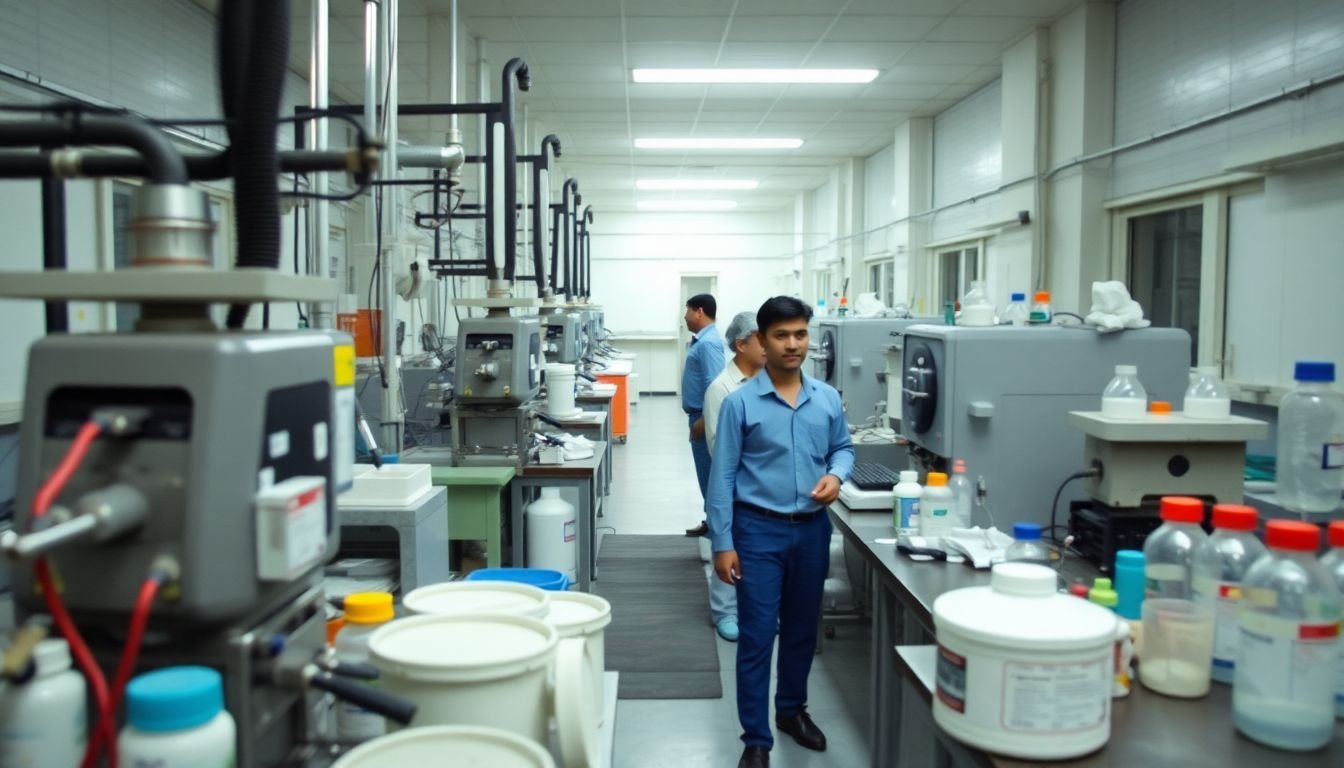
Generic drug Active Pharmaceutical Ingredients (APIs) form the base of generic medications. APIs are active ingredients in drugs that give them their healing effects, such as acetyl salicylic acid in aspirin or streptomycin for antibacterial treatments.
Though APIs drive effectiveness and patient safety, most API production does not take place in the United Statesâjust around 12% happens thereâthe majority comes from China and India.
Quality issues with these key starting materials cause up to 40% of problems with generic medication supply chains, especially injectable prescription drugs. Such quality concerns affect patient safety profiles and lead directly to shortages on pharmacy shelves.
Strategic sourcing practices can reduce costs by up to 15%, improve our supply chain management efforts, cut price volatility risks, and lower occurrences of counterfeit pharmaceuticalsâcritical goals recognized by authorities like the U.S. Food and Drug Administration (FDA) and European Medicines Agency (EMA).
Key Starting Materials (KSMs) in API Manufacturing
We rely on high-quality key starting materials (KSMs) to make safe and effective generic drugs. The quality and sourcing of these KSMs directly shape the final active pharmaceutical ingredients (APIs).
Defining KSMs and their impact on drug quality
Key Starting Materials (KSMs) form the early building blocks for generic drug APIs. These chemicals greatly shape the final drug’s quality and safety. Roughly 40% of issues with drug quality stem from poor-quality starting materials.
High-quality KSMs help API synthesis become more efficient, reducing purification needs and minimizing batch rejections during production.
Investing in reliable Key Starting Materials reduces risks linked to quality problems such as impurities or recalls of pharmaceutical products. Good KSM sourcing directly boosts patient safety, enabling us to provide effective medicines consistently, aligning closely with good manufacturing practices set by groups like the US FDA and guidelines established by bodies such as the International Council for Harmonisation (ICH).
Regulatory requirements for KSM sourcing and production
We see strict rules for sourcing and producing key materials in generic drug API manufacturing. Regulatory frameworks from agencies like the US Food and Drug Administration (FDA) and European Medicines Agency (EMA) emphasize supplier qualification, quality agreements, monitoring programs, and proper documentation.
Compliance with Good Manufacturing Practice (GMP) ensures KSM and API quality meet high safety standards.
The ICH Q11 guideline outlines clear standards for drug substance productionalincluding fine chemicals used as starting materials. These guidelines help pharmaceutical manufacturers manage risk effectively through traceability systems and regular inspections.
They also prevent counterfeit medications from entering our healthcare supply chain by maintaining strict controls on generic medicine ingredients at every step of production.
The Importance of Efficient API Sourcing
We rely on careful API sourcing to protect patients from counterfeit drugs and ensure smooth market access. Strong logistics help avoid supply-chain disruptions, lower risks, and keep generic medicines available at fair prices.
Ensuring drug quality and patient safety
Drug quality and patient safety depend heavily on high-quality Key Starting Materials (KSMs). Around 40% of drug quality issues relate directly to problems with these starting ingredients.
FDA’s Center for Drug Evaluation and Research (CDER) and Europe’s EMA set clear rules about supplier assessment, regulatory compliance, and continuous monitoring to prevent counterfeit drugs from entering the supply chain.
Strategic sourcing reduces the need for extra purification stepsâsaving time, resources, and ensuring generic medicines meet required standards.
Careful selection of KSM suppliers helps drug manufacturers maintain stable production linesâeven during unexpected supply-chain disruptions. Thorough risk management protects essential medicine supplies by building resilience into our logistics networks.
Using trusted sources strengthens authenticity control in transportation processes across borders to fulfill strict customs clearance conditions while meeting pricing expectations without compromising quality systems or patient health needs.
Achieving this balance sets a strong foundation as we explore Europe’s important contributions to global pharmaceutical supply chains next.
Balancing cost management with quality standards
We face a tough job in balancing cost management with quality standards for generic drug API sourcing. China’s API market gives us costs 35-40% lower than Western suppliers, making it tempting to shift production overseas.
Yet we must also protect patient safety and ensure drugs meet strict FDA’s rules and WHO Essential Medicines List guidelines. Smart moves like strategic KSM sourcing can cut our drug production costs by up to 15%.
Still, global pharmaceutical companies cannot focus only on profit or the value chain breaks down. We aim for cutting expenses without risking low-grade APIs or counterfeit drugs entering medical countermeasures stockpiles.
Pressure from environmental sustainability drives pharma firms toward greener practices tooâwhich add extra layers of challenge as we try to manage costs at scale. Success requires clear negotiation strategies, open access data sharing through platforms like blockchain technology, teamwork across industry players, and careful monitoring of excess supply risks within global marketsâespecially Chinese sources known for their attractive pricing but uncertain quality control systems.
Europeâs Role in Generic Drug API Sourcing
We see Europe’s drug companies driving growth in generic API production with strict quality controls. European suppliers play a critical part in keeping global medicine supply chains stable and safe.
Key European players in the API market
Europe holds a strong position in generic drug API sourcing, with several key countries leading the field. Spain and Italy host over 350 companies, both small and large, that produce APIs for generic drugsoften sold as tablets or over-the-counter (OTC) drugs.
These companies play a big role in meeting demand for affordable generics globally.
In 2023 alone, Europe’s API market reached $45.43 billion and is projected to grow to $79.69 billion by 2033âa sign of steady investment and growth potential. Captive APIsâthose made by pharmaceutical companies themselves instead of separate suppliersâmade up 53% of this revenue.
This shows how European firms balance cost management and quality standards while complying closely with strict EU regulations to avoid counterfeit drugs and protect patient safety.
Contributions to global pharmaceutical supply chains
We play a key role in global pharmaceutical supply chains by reliably providing generic drug APIs. This steady sourcing ensures economies of scale, helping pharmaceutical companies manage costs while meeting strict FDA standards and avoiding counterfeit drugs.
With China producing about 20% of the world’s API output and contributing roughly 40% to global exports, strong collaboration between European firms and Asian producers keeps our supply chains stable for antibiotics, diabetes medications, analgesics, and many OTC drugs.
Our ability to integrate diverse suppliers helps mitigate risks from shortages or price spikessupporting patient safety across major markets like the U.S. and EU.
Yet global competition in API sourcing continues to grow sharply as Asia’s influence rises furtherleading us directly into shifting trade dynamics among emerging markets worldwide.
Global Competition in API Sourcing
We see clear shifts in global sourcing patterns as producers look for cost and quality balance outside Europe. Europe’s API makers face tough pressure from Asian markets, reshaping the global supply chain landscape.
Asiaâs dominance in API and KSM production
Asia is a key player in generic drug API and KSM production. China alone produces about 20% of global APIs and exports around 40%. Chinese firms often offer prices that are 35-40% lower than those from Western pharmaceutical companies, giving them a strong edge in negotiations with buyers.
China’s dominance extends to critical therapeutic categoriesâmaking up nearly 90-95% of the world’s ibuprofen and over 80% of metformin used for clinical trials and patient treatments.
India, meanwhile, has become an essential hub for Key Starting Materials (KSMs). Regions like Gujarat, Maharashtra, and Telangana host major clusters that supply many large pharmaceutical company operations globally.
India’s role helps maintain interoperability within global supply chains by offering cost-effective alternatives to more expensive sourcesâwhich is useful for mitigating price volatility issues faced by American or European purchasers dealing with strict FDAâs requirements on API purity or regulations guarding against counterfeit drugs entering markets.
These dynamics highlight emerging changes now shaping trade worldwidechanges we’ll explore further under “Emerging markets and shifting trade dynamics.
Emerging markets and shifting trade dynamics
Emerging markets are quickly becoming important players in generic drug API sourcing, shaping new trade patterns. Nations such as Vietnam, Thailand, Malaysia, and Mexico now develop strong abilities to produce key starting materials (KSMs), which are vital for APIs.
To compete globally, India also launched the $1.3 billion Production Linked Incentive (PLI) scheme in 2020âaiming to reduce reliance on Chinese raw materials that pose supply chain risks.
These shifts matter greatly since the global API market reached USD 155.2 billion in 2023 and may hit USD 314.24 billion by 2030. With India’s challenges growing over dependence on Chinaâs resources, emerging countries see a chance to strengthen their positions within strategic national stockpiles worldwide and help ensure patient safety from issues like counterfeit drugs through better mitigation efforts.
Strategic reshoring moves will further affect how we source APIs moving forwardâopening doors for future partnerships and greater diversity within our pharmaceutical supply chains.
Regulatory Frameworks in Europe
We see that Europe’s regulatory bodies, such as the European Medicines Agency (EMA), set clear quality standards for generic drug APIs. These rules guide firms to meet strict compliance through GMP inspections and marketing authorization processes.
EU compliance and its influence on API production standards
The EU mandates strict Good Manufacturing Practice (GMP) rules for Active Pharmaceutical Ingredient (API) makers. These GMP standards, defined clearly in Directive 2001/83/EC and Regulation No.1252/2014, set exact demands on API quality and safety.
Directive (EU) 2017/1572 further tightens control to keep counterfeit drugs from entering the supply chain. All API producers need permission from national authorities before starting production or importing APIs into Europe.
Compliance checks are managed through the EudraGMDP databasea digital tool tracking GMP certifications and manufacturing permits across the region. By enforcing these standards, we reduce patient risks and build trust in generic drug products across Europe’s drug industry.
Clear regulatory measures also ease worries about privacy breaches related to data stored in official databases like EudraGMDPâprotecting sensitive details while ensuring safe pharmacological practices for compounded drugs as urged by leaders such as Janet Woodcock of FDA fame.
Challenges in API Sourcing
We often face sudden issues with API supply chains, impacting steady drug production. Rapid price changes also pressure companies to maintain affordable and safe medicine supplies.
Supply chain disruptions and resilience strategies
Supply chain disruptions pose a big risk to generic drug API sourcing. During the COVID-19 pandemic, firms with diverse KSM suppliers kept production steady despite challenges. Global health agencies now map supply chains for important medications.
These maps help spot weak points and reduce risks like counterfeit drugs that threaten patient safety.
To build strength against these problems, companies must team up, share data, and study supplier concentration closely using digital tools. Such teamwork allows us to learn from past events and see where we need change or backup plans.
Clearly defined resilience strategies also guard against price swings and sudden shifts in market demandsultimately ensuring stable supplies of safe medicines across Europe.
Price volatility and sustainability concerns
Price changes in APIs directly affect how much medicines cost to produce. Sudden price jumps can lead drug makers in Europe to pay more, making treatments less affordable for patients.
Most API production happens in China, which raises worries about sustainability and steady supply chains. As Chinese factories face growing competition and quality issuessuch as counterfeit drugswe must carefully watch these trends.
Recent regulatory updates by Chinese authorities aim for better environmental practices and improved standards. To ensure long-term access to safe medications, we should support efforts that balance fair prices with reliable sourcing methods across international markets and discourage reliance on a single region or supplier.
Future Trends in API Sourcing in Europe
We expect Europe’s API sourcing to shift toward cleaner, safer methods that protect our environment. Digital tools like artificial intelligence could greatly improve supply chain operations and safety checks here in Europe.
The rise of sustainable and green chemistry practices
The global pharmaceutical industry could see carbon emissions rise by over 300% by 2050 if change does not occur. To tackle this, green chemistry practices are becoming vital in API manufacturing across Europe.
Green chemistry reduces or avoids dangerous chemicals during drug creation, cutting down harm to health and the planet. For example, Pfizer adopted these methods and saw waste drop by 19% while productivity rose by as much as 56%.
More generic drug makers now turn to continuous production methods powered with renewable energyâthese help lower waste levels and improve efficiency at each step of generic drug API sourcing.
This shift toward cleaner, safer processes also complements Europe’s strict laws on quality standards for key starting materials (KSMs) used in APIs. By choosing greener approaches like sustainable sourcing for KSMs and embracing renewable energies in production sites, European companies contribute greatly to safer drug supplies worldwide, keeping counterfeit drugs out of our markets while protecting patient safety through strong regulatory frameworks such as supplementary protection certificates.
As traditional ways face hurdles from eco-concerns and rising costs, innovations based around green solutions shape how we source APIs nextâincluding new roles for technology tools like artificial intelligenceâwhich leads us directly into the integration of AI-driven digital advancements within supply chain management systems.
Integration of AI and digital tools in supply chain management
We see much promise in using AI and digital tools to boost supply chain efficiency. Digital platforms can predict drug shortages, lower costs, and track counterfeit drugs moving across borders.
By tracking APIs digitally, we reduce risk of fake medicines entering the market.
AI systems also help us forecast demand clearly and quickly respond to changes in the supply chainlike delays or disruptions. Smart algorithms sift through large sets of data from journals or regulatory reports to spot problems early.
With these tools at our side, we make smarter sourcing choices and ensure patient safety stays strong at every step.
Conclusion
Europe holds a critical role in global API sourcing, backed by strong regulations and high standards. Effective management of Key Starting Materials (KSMs) helps secure drug safety, reduce costs, and build resilient supply chainsespecially after the lessons from COVID-19 disruptions.
Emerging Eastern European markets also offer valuable alternatives to Asian producers for reliable production options. Embracing green chemistry practices and digital tracking tools like artificial intelligence will shape Europe’s future strategy.
Focusing on quality sources, transparency rules, and smart technology ensures Europe’s place as a trusted leader in generic drug ingredient supply worldwide.
FAQs
1. What challenges do companies face in generic drug API sourcing in Europe?
Companies often struggle with quality control, supply chain delays, and the risk of counterfeit drugs entering their suppliesâissues that can harm patient safety and brand trust.
2. How serious is the problem of counterfeit drugs within Europe’s generic drug API market?
Counterfeit drugs pose a real threat to public health across Europethey enter supply chains unnoticed, causing risks for patients and losses for businesses.
3. Can journel resources help identify reliable suppliers for generic drug APIs in Europe?
Yes, industry-specific journel publications offer detailed insights into trusted sources, helping companies avoid risky suppliers and reduce exposure to counterfeits.
4. What steps should European pharmaceutical firms take to protect against counterfeit drugs during API sourcing?
Firms must carefully audit suppliers, verify documentation thoroughly, use secure tracking systemsâand regularly consult respected journel reportsâto ensure safe sourcing practices.
References