
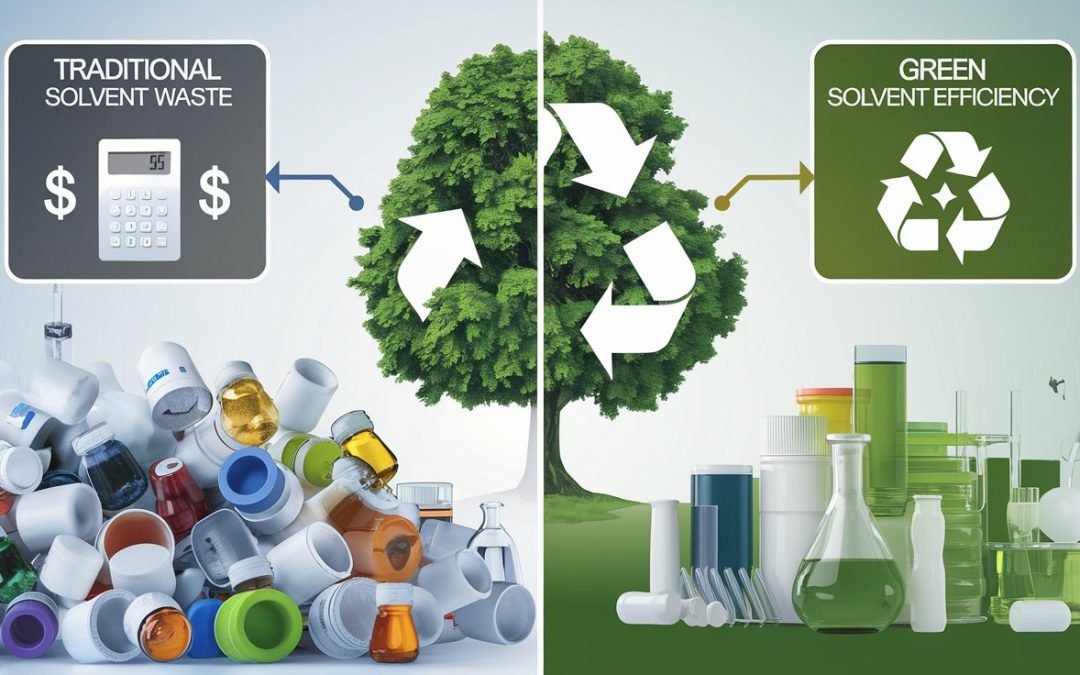
Pharmaceutical solvents play a crucial role in drug manufacturing, influencing the efficiency, quality, and safety of production processes. However, their impact extends beyond just technical functionality; solvent selection significantly affects the overall economics of drug manufacturing. From procurement costs and waste management to regulatory compliance and sustainability initiatives, every solvent choice has financial implications. This article explores how different solvents affect production costs, profitability, and long-term economic viability.
Market Overview and Growth Trends
The pharmaceutical solvents market is valued at USD 4.00 billion in 2025 and is expected to reach USD 5.89 billion by 2032, growing at a CAGR of 5.7%. This growth is driven by increasing demand for APIs, stricter regulatory requirements, and the industry’s shift toward greener alternatives. Companies must factor in solvent costs as a significant component of their operational expenses, particularly as regulatory changes demand sustainable and efficient solutions.
Understanding Solvent Costs in Pharmaceutical Manufacturing
Solvents account for a substantial portion of raw material costs in pharmaceutical manufacturing. Their costs can be broken down into several key areas:
Procurement Costs: The upfront price of solvents varies widely based on type, purity, and source.
Processing Costs: Some solvents require complex handling, purification, or recovery processes that add to operational expenses.
Disposal and Waste Management Costs: Solvents that generate hazardous waste lead to high disposal costs and compliance fees.
Regulatory Compliance Costs: Meeting environmental and safety regulations related to solvent use incurs additional expenses.
Sustainability Investments: Switching to green or bio-based solvents often requires initial capital investment but can reduce long-term costs.
Improving yield by even 1% through better solvent efficiency can significantly reduce costs per kilogram of API, improving profitability in pharmaceutical production.
Comparing Solvent Types: Cost Considerations
| Solvent Type | Advantages | Cost Considerations |
|---|---|---|
| Traditional Organic Solvents | Widely available, effective in drug synthesis | High disposal costs, strict regulatory controls |
| Green Solvents | Environmentally friendly, safer to handle | Higher upfront costs, but long-term savings |
| Supercritical Fluids | Efficient for extractions and purification | Requires expensive equipment |
| Ionic Liquids | Low volatility, high recyclability | Limited availability, costly production |
Understanding the trade-offs between different solvents is essential for optimizing production economics while ensuring compliance and sustainability.
Solvent Recovery and Recycling: A Cost-Saving Strategy
One of the most effective ways to reduce solvent-related costs is through recovery and recycling systems. Many pharmaceutical manufacturers implement solvent recovery technologies to:
Reduce raw material procurement costs
Lower waste disposal fees
Minimize environmental impact
Comply with regulatory requirements
Incineration of spent solvents is still common due to financial considerations, but regulatory changes are making solvent recovery more economically viable. With sustainability becoming a critical focus, companies are investing in solvent recovery as part of their cost-reduction strategies.
Regulatory and Environmental Costs of Solvent Use
Regulatory compliance adds another financial layer to solvent selection, as pharmaceutical manufacturers must adhere to stringent environmental laws governing solvent emissions, hazardous waste management, and occupational safety. The increasing enforcement of these regulations has led to rising operational costs, as companies must invest in advanced waste treatment, emission control technologies, and solvent recycling systems to remain compliant.
One of the most significant financial burdens comes from solvent disposal regulations, which require companies to follow strict hazardous waste handling procedures. Traditional incineration methods, while effective, contribute to higher greenhouse gas emissions and are becoming increasingly expensive due to tightening environmental policies. Consequently, many pharmaceutical companies are shifting towards solvent recovery and reuse strategies to offset regulatory expenses and reduce environmental impact.
| Regulatory Factor | Impact on Cost |
| Emission Control Standards | Higher investment in filtration and scrubber systems |
| Waste Disposal Regulations | Increased cost for hazardous waste management |
| REACH Compliance Requirements | Expensive registration and evaluation of chemicals |
| GMP Standards for Solvent Purity | Additional quality control and testing expenses |
The evolving regulatory landscape is making it imperative for companies to adopt sustainable solvent management strategies. Investing in eco-friendly solvents, closed-loop recycling systems, and advanced purification technologies can help pharmaceutical manufacturers navigate compliance requirements while maintaining cost efficiency in the long run.
Key Regulatory Considerations:
Good Manufacturing Practices (GMP): Ensuring solvent purity and contamination control.
REACH Compliance: Registration and evaluation of chemical substances used in production.
Waste Disposal Regulations: Costs associated with hazardous solvent disposal and incineration.
Stringent environmental regulations are increasing costs by limiting the use of certain solvents, prompting companies to invest in sustainable alternatives.
Sustainability and Long-Term Cost Benefits
The shift towards sustainable solvent solutions is gaining momentum due to increasing regulatory pressures, environmental concerns, and the rising demand for greener pharmaceutical manufacturing. Companies are being driven to explore alternative solvents that reduce toxicity, improve efficiency, and minimize waste. The adoption of green solvents not only aligns with sustainability goals but also enhances overall cost efficiency in the long run.
Switching to bio-based and green solvents may require a higher initial investment, but this cost is often outweighed by long-term economic benefits. Many pharmaceutical manufacturers have reported significant savings through reduced hazardous waste disposal fees, lower regulatory compliance costs, and improved energy efficiency. Additionally, green solvent adoption helps future-proof companies against evolving regulations that may impose stricter limits on traditional solvent use.
Beyond direct cost benefits, sustainable solvent strategies contribute to enhanced brand reputation and investor confidence. As regulatory agencies and consumers place a greater emphasis on environmental responsibility, pharmaceutical companies that proactively integrate sustainable solvent solutions can differentiate themselves in the market. Government incentives and tax benefits for companies that adopt eco-friendly practices further reinforce the financial viability of transitioning to green solvents.
| Benefit of Green Solvents | Impact on Costs and Sustainability |
| Lower Waste Disposal Expenses | Reduced hazardous waste management costs |
| Energy Efficiency Gains | Lower operational expenses |
| Compliance with Regulations | Avoidance of fines and legal risks |
| Market Differentiation | Stronger brand reputation |
Technological Advancements in Solvent Use
Advancements in purification techniques and continuous API manufacturing technologies are significantly improving solvent-based purification processes. The integration of high-efficiency distillation methods, membrane filtration, and chromatographic separation has led to enhanced solvent purity and reduced waste generation. These innovations help pharmaceutical manufacturers achieve greater consistency in drug formulation while maintaining strict regulatory compliance.
| Purification Technology | Cost Reduction (%) | Efficiency Improvement |
| High-Efficiency Distillation | Variable | Improved solvent purity |
| Membrane Filtration | Variable | Reduced energy usage |
| Chromatographic Separation | Variable | Higher recovery rates |
| Automated Real-Time Monitoring | Variable | Lower contamination risk |
By leveraging these purification methods, pharmaceutical companies can significantly lower operational costs while ensuring compliance with increasingly stringent environmental regulations. The push for automation and solvent recovery is set to reshape solvent management, making sustainability a core aspect of cost-efficient pharmaceutical manufacturing.