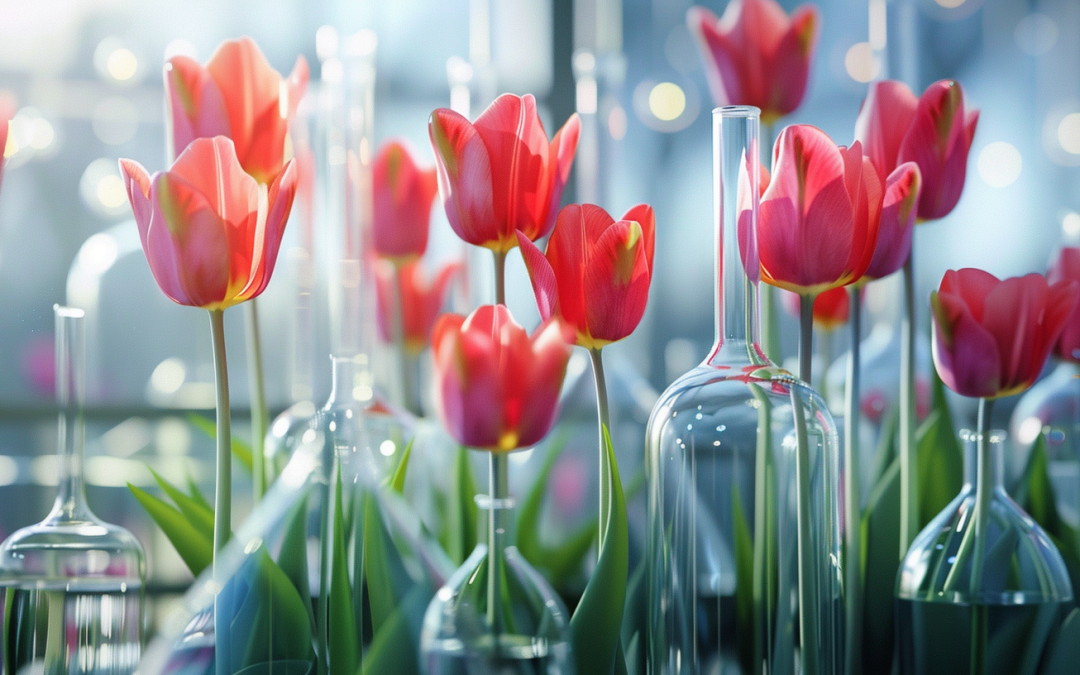
From Tulips to Test Tubes: The Evolution of Dutch Chemical Excellence
In the heart of Europe, the Netherlands blooms not only with its world-renowned tulips but also through its profound contributions to the chemical sciences. This narrative isn’t just about flowers; it’s a tale of transformation and innovation, where Dutch ingenuity in chemistry has shaped industries, revolutionized healthcare, and led the charge towards a sustainable future.A Botanical Prelude: The Seeds of Curiosity
Tulipomania: The First Spark of Scientific InquiryThe 17th-century Dutch tulip frenzy, known as “Tulipomania,” is often cited as one of the first economic bubbles. However, beneath this floral craze lay the roots of a burgeoning scientific curiosity. The same period saw alchemists and early chemists delve into experiments that would pave the way for the chemical industry. Their work, blending the mystic and the empirical, set a foundation for the Netherlands’ scientific revolution.From Alchemy to Empirical ScienceThe Enlightenment era catalyzed a significant shift from alchemical traditions to empirical chemical science. Dutch pioneers like Antonie van Leeuwenhoek, with his groundbreaking microscopic observations, and Herman Boerhaave’s methodical approach to chemical education and research, contributed immensely to this transformation. Their work laid the groundwork for modern chemistry, embedding a legacy of innovation in the Dutch scientific ethos.Directed Evolution: A Leap into the Future
The Nobel Legacy of Frances ArnoldIn the late 20th century, Frances Arnold’s “directed evolution” concept marked a pivotal moment in chemical engineering. This innovative approach allowed for the rapid development of specialized enzymes, catalyzing advancements in biofuels, pharmaceuticals, and beyond. Arnold’s work, emblematic of the precision and pragmatism inherent in Dutch science, earned her a Nobel Prize in Chemistry in 2018, highlighting the global impact of these advancements.Biofuels and Biomedical BreakthroughsThe applications of directed evolution have been transformative, particularly in biofuel production and the development of therapeutic antibodies. Collaborative efforts, such as those between Dutch and international scientists, have led to significant medical advancements, including treatments for autoimmune diseases and innovative drug development techniques.Innovation in Materials Science: Nanocoatings and Circular Plastics
NanoCoat: A Vision for Sustainable SurfacesDutch startups are at the forefront of materials science, developing nanocoatings that promise durability, efficiency, and sustainability. These innovations not only enhance the lifespan of materials but also align with global sustainability goals, illustrating the Netherlands’ commitment to pioneering environmentally friendly solutions.A Circular Approach to PlasticsIn response to the urgent need for sustainable materials, Dutch innovators are redefining the lifecycle of plastics. Ventures like RePlast and PolyCycle exemplify the shift towards circular plastics, turning waste into valuable resources and leading the way in sustainable materials science.The Digital Revolution: Optimizing Chemical Processes
Embracing Industry 4.0: The Rise of Digital TwinsRotterdam’s port, a hub of chemical manufacturing, has become a testing ground for digital twins—virtual models that optimize real-world processes. This adoption of digital technology streamlines production, enhances safety, and minimizes environmental impact, showcasing the Dutch prowess in integrating technology with traditional industries.Smart Catalysts: The Next FrontierThe development of smart catalysts represents another leap forward, with Dutch researchers leading the way in creating more efficient, adaptable chemical processes. These innovations reduce waste and energy use, underscoring the Netherlands’ role in developing sustainable industrial practices.A Collaborative Ecosystem: Fostering Innovation
ChemTech Hub: A Melting Pot of IdeasThe Netherlands nurtures a unique ecosystem where startups, academia, and established corporations collaborate closely. Amsterdam’s ChemTech Hub exemplifies this synergy, fostering cross-disciplinary innovation that propels the chemical industry forward, proving that the Dutch approach to chemistry is as much about community as it is about science.Conclusion: A Legacy of Innovation
The journey from the tulip fields to the forefront of chemical innovation narrates the Netherlands’ enduring legacy in pushing the boundaries of science. As Dutch chemists continue to influence global industries, healthcare, and environmental practices, their story remains a testament to the power of curiosity, collaboration, and innovation. It’s a narrative that goes beyond tulips, touching the lives of people around the world and shaping a sustainable future, one molecule at a time.